English
Identifiez les failles dans le programme alimentaire de votre cheval afin d'optimiser son bien-être.











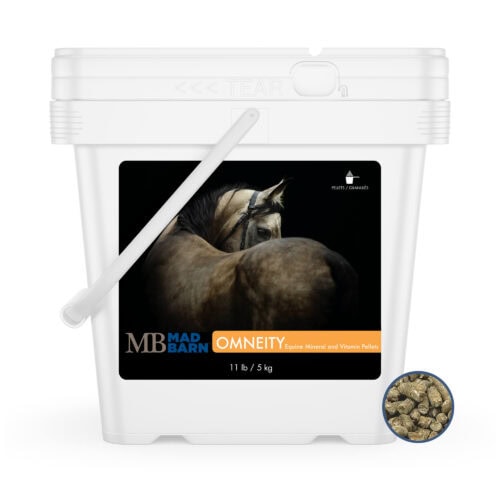
Omneity® Pellets
Vitamines et minéraux tout-en-un en granulés
La canne à sucre (Saccharum officinarum) est une grande herbe tropicale cultivée principalement pour sa teneur élevée en saccharose. Dans les applications alimentaires, la canne à sucre peut être utilisée sous plusieurs formes, notamment en canne fraîche, en fourrage haché, en jus, en mélasse, ou en sous-produits comme le bagasse et le press cake. En nutrition équine, les formes les plus courantes d’utilisation de la canne à sucre sont la mélasse (un exhausteur de goût et une source d’énergie) et le bagasse (un sous-produit fibreux utilisé comme fourrage grossier). La canne à sucre entière ou hachée est parfois donnée en tant que source de fourrage dans certaines régions, fournissant des fibres structurales ainsi que des sucres digestibles.
Les aliments, suppléments et produits équins suivants contiennent Canne à sucre comme ingrédient.

 Digestion
 Hoof Health
 Mineral Balance
 Vitamins

 Caloric Energy
 Fiber
 Forage
 Nutrition
 Caloric EnergyFiberForageNutrition
 Caloric EnergyFiber
 Gut HealthNutrition
 Caloric EnergyFiberGut HealthNutrition
 Caloric EnergyFiberGut HealthNutrition
 Caloric EnergyFiber
 Flavor
 Weight Issues
 Caloric EnergyFiberFlavorWeight Issues
 Caloric EnergyFiberFlavorWeight Issues
Vitamines et minéraux tout-en-un en granulés

Supplément avancé de santé digestive

Supplément de gras enrichi en ADH
Vitamines et minéraux tout-en-un en granulés

Vitamines et minéraux tout-en-un en poudre

Vitamines et minéraux avancés en granulés
Supplément avancé de santé digestive

Supplément probiotique et prébiotique

Probiotique haute puissance à 5 souches
Vitamines et minéraux tout-en-un en granulés
Vitamines et minéraux avancés en granulés

Soutien des sabots et du pelage

Huile d’oméga-3 extra-forte

Supplément de santé articulaire
Supplément de gras enrichi en ADH
Supplément de gras enrichi en ADH
Vitamines et minéraux tout-en-un en granulés

Mélange d'oligo-éléments organiques
Vitamines et minéraux avancés en granulés

Soutien de l'humeur et des hormones

Formule de santé métabolique
Soutien de l'humeur et des hormones

Soutien musculaire et nerveux
Supplément avancé de santé digestive
Supplément avancé de santé digestive

Complément respiratoire et performance

Mélange d'acides aminés essentiels
Mélange d'acides aminés essentiels
Soutien musculaire et nerveux

Soutien des muscles et de la performance
Complément respiratoire et performance
Supplément de gras enrichi en ADH

Soutien immunitaire et respiratoire